Kids and family safety
At what age does a child need a GPS watch
There is no right age for a GPS watch. It depends on the journey, not the birthday: the first walk alone, a club that ends late, a bus ride. How to tell when a watch helps, what schools allow, and the signs that your child, and you, are ready.
Ashish Srivastava6 min read
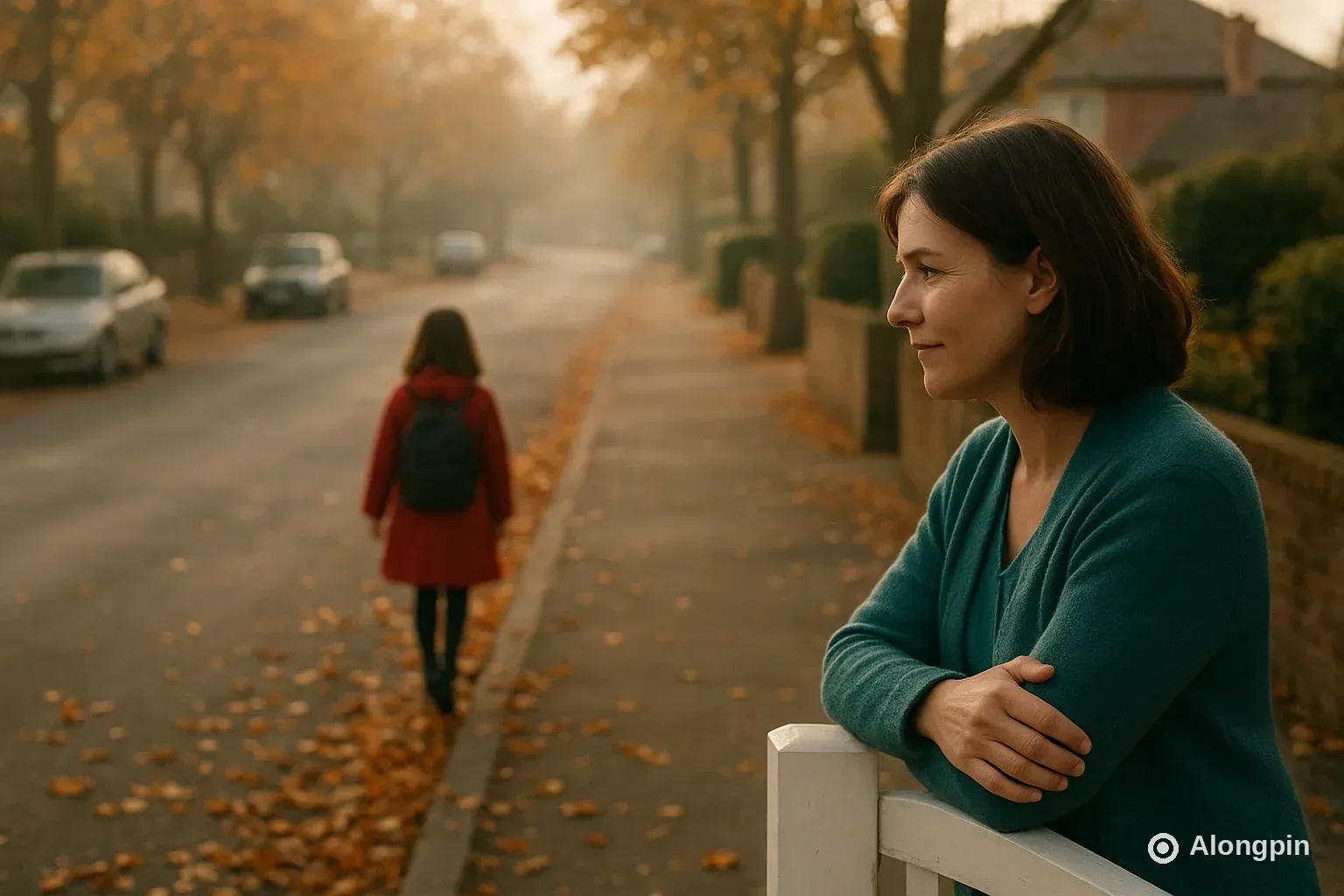
There is no right age for a GPS watch. The honest answer to "what age should a child have a GPS watch?" is that it depends on the journey, not the birthday. A watch earns its place when your child starts spending time out of sight of a trusted adult: walking to school alone, staying for an after-school club, going to a friend's house on their own. Before that, it adds little that a parent at the gate does not already give. After a certain point, usually when a child wants and can handle a phone, a watch starts to feel babyish and gets left in a drawer. The useful question is not "how old is she?" but "where is she going without me, and what would we both want if something went wrong?"
Key takeaways
- Look at the journeys, not the age: the first walk alone, a club that ends after dark, a bus ride.
- A young child needs to understand and use an SOS button for a watch to help.
- Check your school's rules: many accept a watch with a quiet mode during lessons.
- A watch fits the years between needing an adult and being ready for a phone.
- Be honest about whose readiness you are measuring: your child's, or yours.
The conventional view: pick an age
Parents often ask the question as if there were a number. Friends say "we got one at six" or "we waited until secondary school", and the comparison makes it sound like a milestone such as a first bike. Watch makers do not help: their packaging shows the ages a watch is made for, which tells you the size of the strap, not whether your child needs one.
An age is easy to compare. It is also the wrong measure, because two children of the same age can live very different days.
Why the age is the wrong question
Picture two eight-year-olds. One is walked to a school at the end of the road and collected by a grandparent every afternoon. The other crosses a busy junction, takes a bus to a swimming club twice a week and walks home from the stop in the dark in winter. The first has little use for a watch. The second might be glad of one.
What changes the picture is time out of sight of a trusted adult, and what happens in that time:
- The first walk alone: to school, to the corner shop, to a friend's house a few streets away.
- After-school activities, especially ones that finish late or move between venues.
- Split households, where a child moves between two homes and a parent wants to know they arrived.
- Busy places: a theme park, a festival, a beach in summer, where a small child can be lost in seconds.
If none of these are part of your child's week yet, a watch is a gadget. When one of them starts, the question becomes real.
What younger and older children can handle
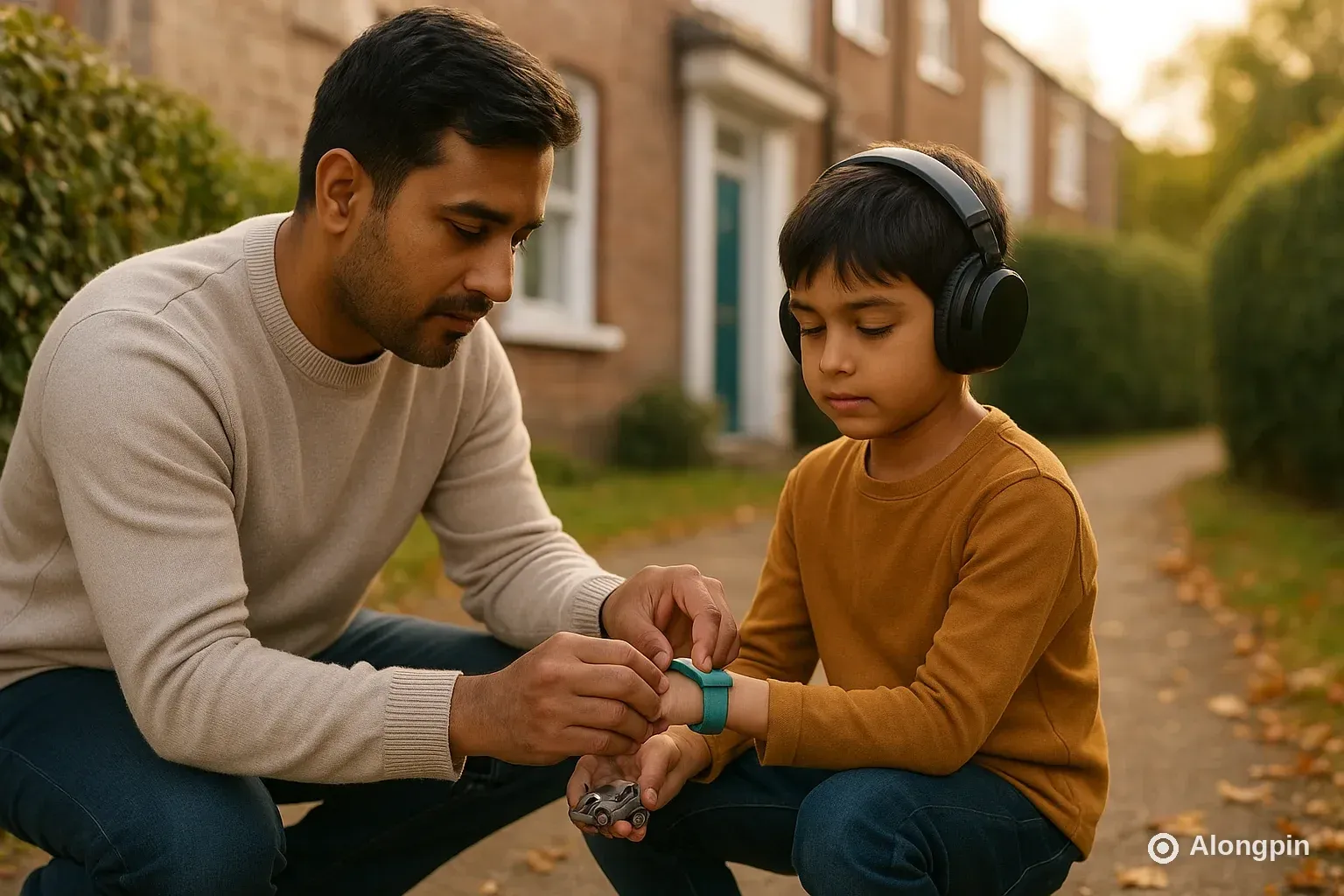
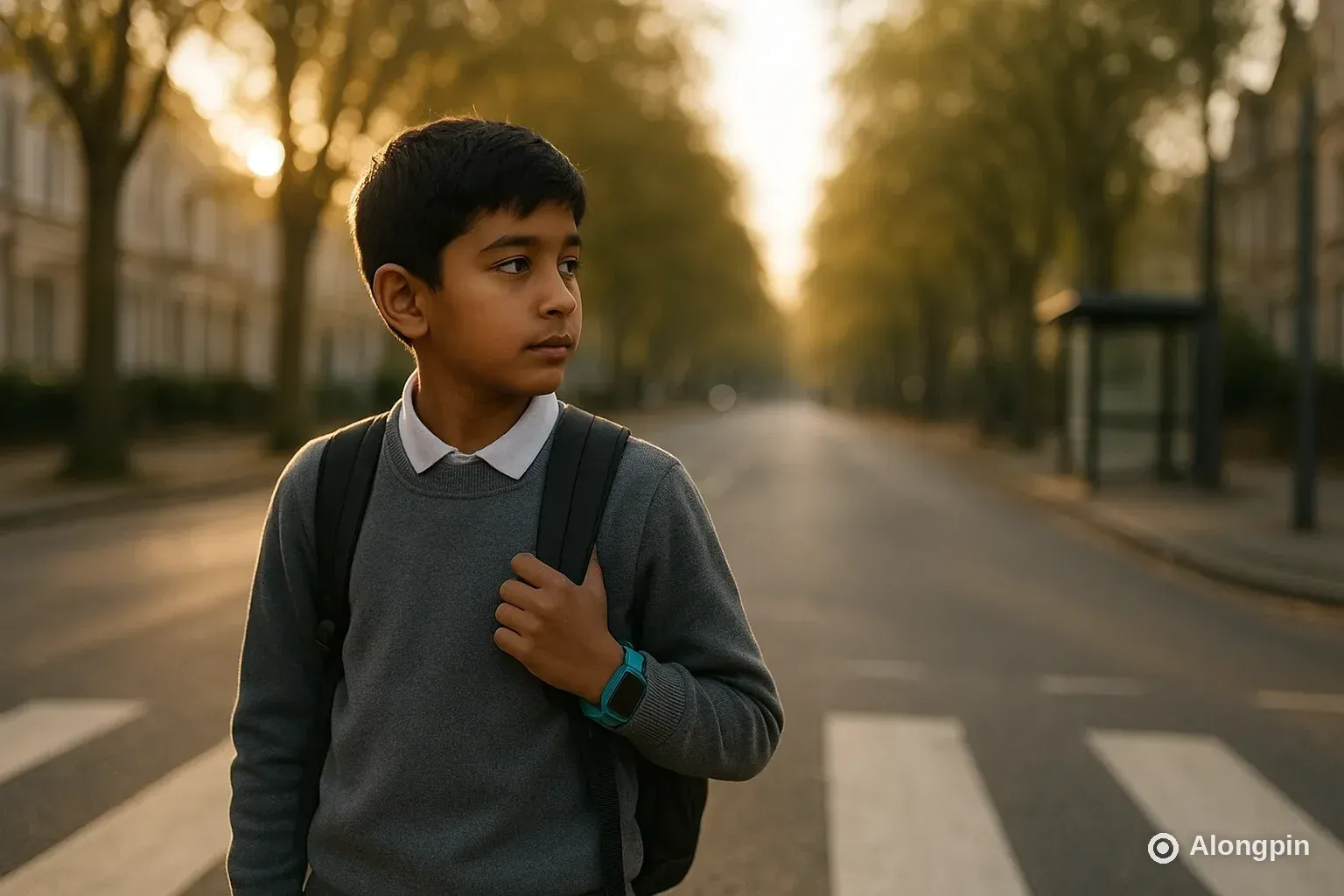
A GPS watch only helps if your child can use the one button that matters. Very young children may press SOS in play, take the watch off when it itches, or not understand that it needs charging. That does not rule a watch out, especially for a crowded day out, but it means you carry the responsibility for charging, wearing and explaining.
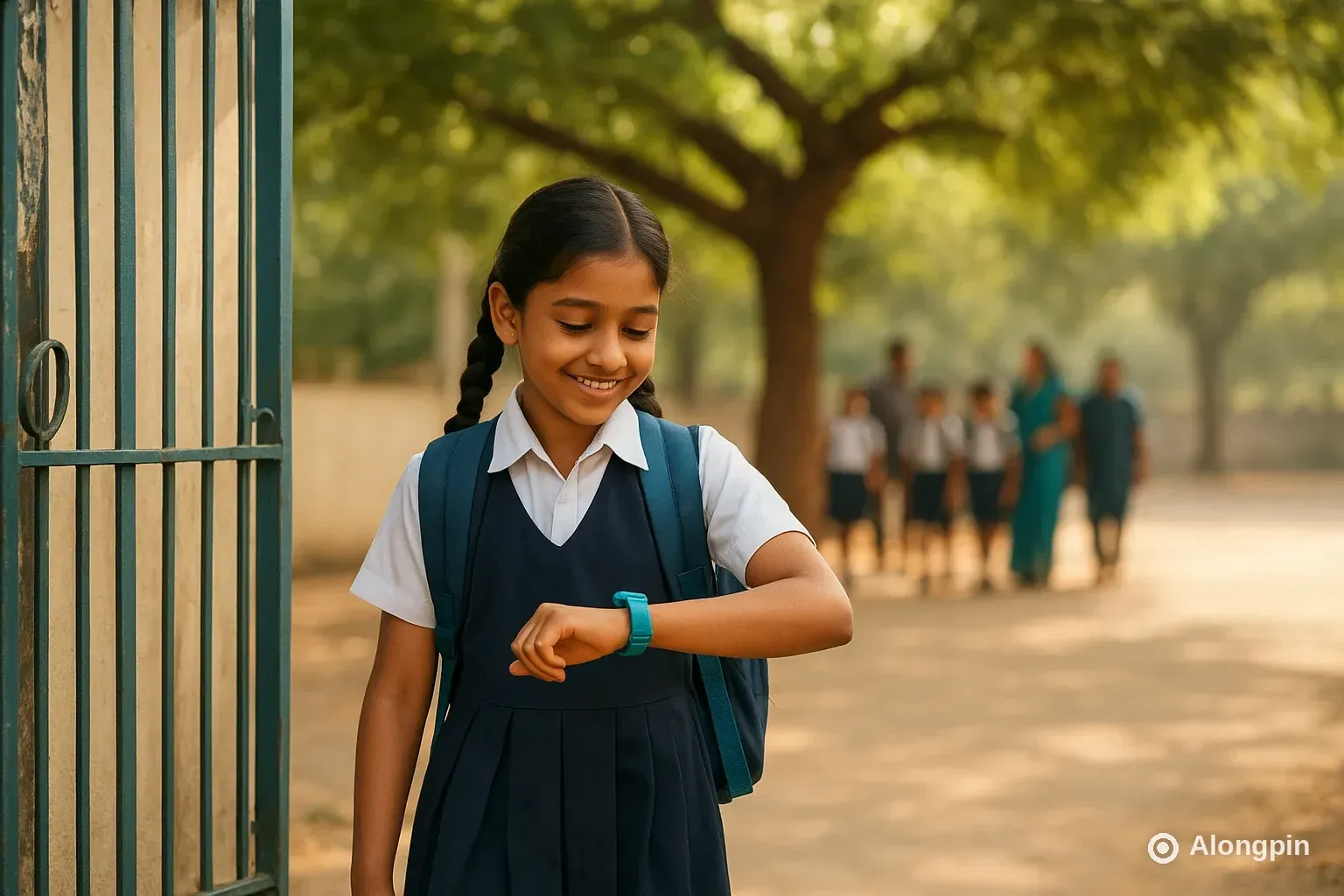
Older primary-school children can usually learn the rules: the watch stays on, SOS is for real trouble, and it charges every evening. They can also start to feel watched. A child near the end of primary school may be happy with a watch that sends you a message when they reach school, and less happy with the idea that you look at the map all day. That is where the conversation matters as much as the device; the post on how to talk to your child about a GPS watch suggests the words.
By the early teens, most children want a phone, and a watch on the wrist can feel like a label. Location sharing on a phone, agreed together, takes over from there.
School policies on watches and phones
Before you buy, check the school's rules. Many schools ban phones in class, and some extend that to smartwatches that can make calls or take photos. Others allow GPS watches as long as they are silent during lessons.
Three questions to ask the school:
- Are watches with calls allowed in class, or only kept in a bag?
- Must the watch be silent during lessons? Many children's watches have a quiet or class mode, and on many models it can be set remotely with a command from the tracking platform.
- Who should a child contact during the day? Most schools prefer that a worried child goes to a teacher, and that a parent phones the office, not the watch.
A watch that follows the school's rules from the first day avoids it being confiscated in the second week.
Signs your child is ready
- They will soon be out of sight of a trusted adult on a regular journey.
- They can explain what the SOS button is for, and when not to press it.
- They keep the watch on and remember to charge it, or accept a routine for it.
- They understand what you will see, and are fine with it.
Signs you are not
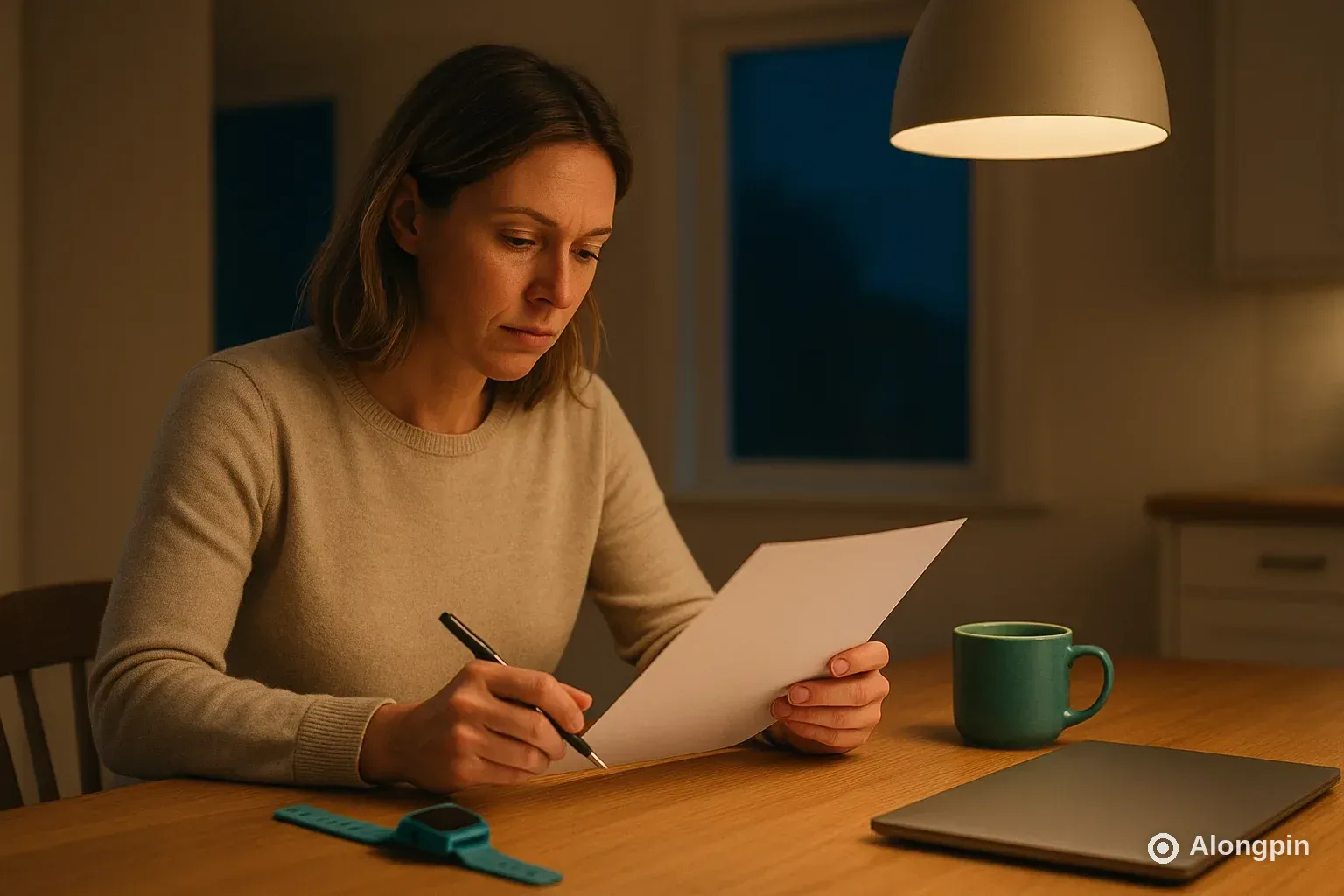
Readiness runs both ways. A watch can soothe a parent's worry, or feed it. Be honest with yourself:
- You expect to check the map many times a day. A watch is better used with a message when your child arrives, so you do not have to look.
- You plan to use it without telling your child. Children find out, and the trust lost is worth more than the watch.
- You want it instead of the conversation about road safety, strangers or getting lost. A watch helps after something has gone wrong; it does not replace knowing what to do.
If any of these sound familiar, start with the conversation and the routines, and add the watch when it serves them.
The better approach: start from the journey
Instead of picking an age, write down the next journey your child will make without you, and what you would both want in that moment:
- Knowing they arrived: a safe zone around the destination with a message when they get there. The personal safety page shows how zones and messages work.
- A way to call for help: an SOS button that sends their position to you and the other parent.
- A way to talk: calls between the watch and a few stored numbers, if your child needs them.
If two of these three matter, a watch is worth considering. If only the last does, a basic phone may suit better, and the comparison of a GPS watch and a first phone can help you decide.
How to apply this
- List your child's regular journeys for the coming year.
- Mark the ones without a trusted adult.
- For each, decide what you would want: an arrival message, an SOS, a call.
- If the answer points to a watch, choose one whose protocol your platform supports; the watches page explains what these watches report, and the parent's guide to a first GPS watch lists what to check before you order.
- Agree the rules with your child before the first day, and set a date to look at them again.
Caveats
A watch reports only as well as it is charged, worn and covered by the mobile network. Indoors, many watches give a rough position from mobile cells or Wi-Fi rather than satellites. And the law on tracking children differs between countries; for young children, parents or guardians usually decide, and some countries set an age at which a child must agree for themselves.
How Alongpin helps
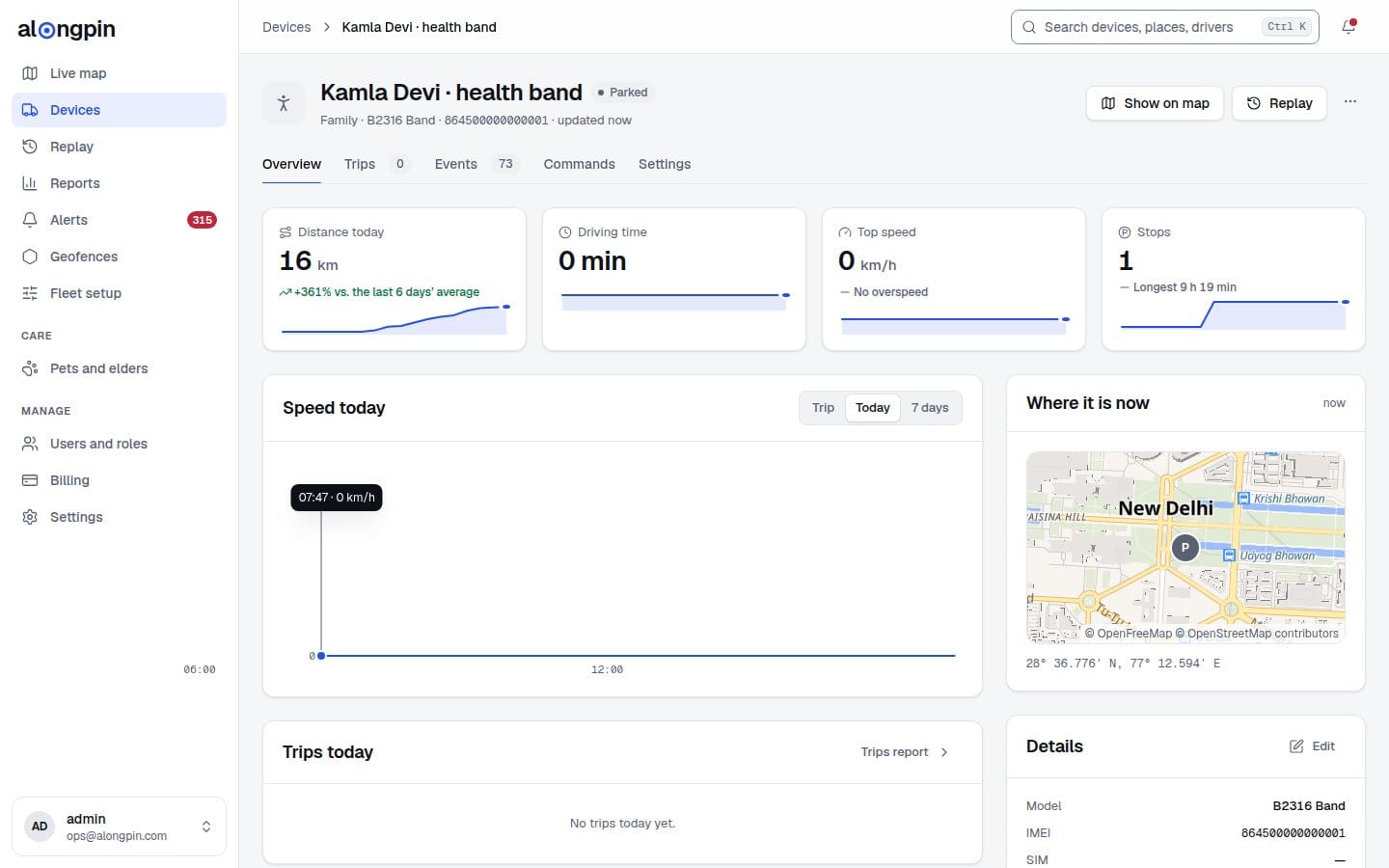
Alongpin (alongpin.com) is a GPS tracking platform you open in a browser or on your phone. A child's GPS watch or a teenager's phone shows on your family's map, geofences around home and school tell you about arrivals, and the SOS button reaches the people you choose. See how it works for family safety, check a watch in the device check, and read how Alongpin treats privacy.
Frequently asked questions
Is there a minimum age for a GPS watch?
Not on the platform. The real minimum is a child who will wear it, keep it charged and understand the SOS button, or a parent willing to do those things for them on a busy day out.
Should my child have a GPS watch if they never go anywhere alone?
Probably not yet, except for crowded days out. Wait for the first regular journey without you.