Kids and family safety
When tracking a child is not the right answer
An honest look at the limits of tracking a child's location: when it erodes trust, replaces conversation or gives false comfort, how older children should be asked, and how to track openly, with limits and an agreed end.
Ashish Srivastava6 min read

Is it OK to track your child? Often yes, for a clear reason, openly, and for a limited time: a first walk to school, a busy afternoon of bus and tuition, a child who needs extra support. It is not OK when tracking replaces the conversation it was meant to support, when it continues out of habit after the reason has passed, or when an older child has not been asked. Location tracking is a tool, not supervision. It tells you where a watch is; it does not tell you whether your child is safe, happy or making good choices. Used sparingly, it can give a child more freedom. Used as a constant check, it can take that freedom away.
Key takeaways
- A location is a fact about a device, not an answer to "is my child all right?".
- Watch for signs of habit: checking the map without a reason, reading routes in secret, feeling anxious when you cannot look.
- Older children have a right to be asked, and to have their answer change what you do.
- Check-in agreements and shared journeys often do the job better than a map.
- If you track: openly, with a purpose, with limits, and with an agreed end.
The common view: more information means more safety
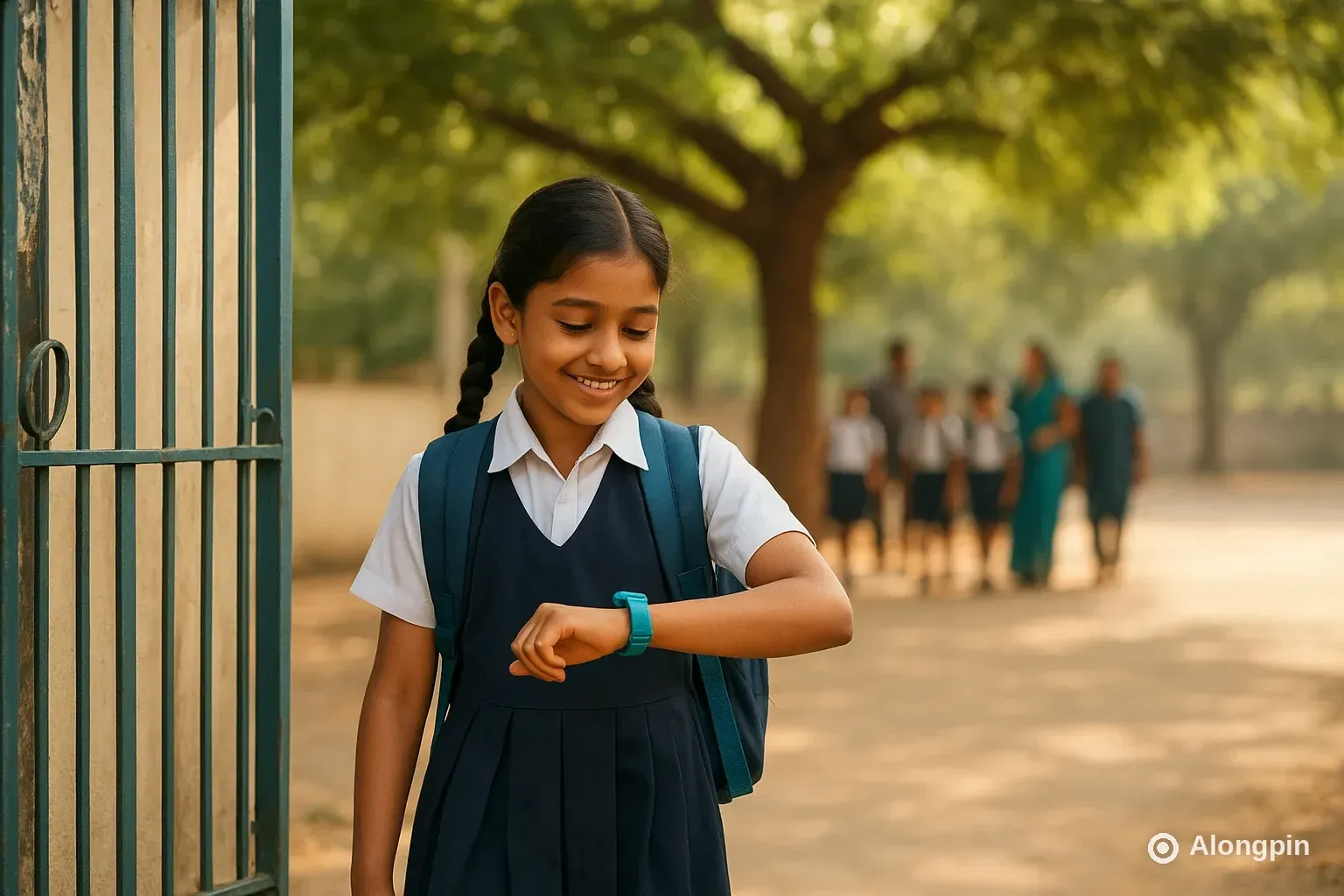
Most parents who buy a GPS watch do it for a good reason. A child is starting to walk to school alone, the afternoons are complicated, a relative is doing the pick-up, or something frightening happened in the news. The watch promises a simple thing: at any moment, you can know where your child is.
The reasoning that follows feels natural. If knowing where they are on the walk to school helps, then knowing where they are all day helps more. If an arrival message is good, a route of the whole afternoon is better. Many tracking products are built to encourage this: more alerts, more history, more ways to look.
Why that view falls short
A location is not safety
A dot on a map tells you where a watch is. It does not tell you that your child is being bullied at the bus stop, is anxious about a test, or is in a friend's house where you would not want them to be. The most important information about a child's day comes from the child, and it comes when they feel they can tell you.
There is also a false comfort in the dot. A watch left in a school bag is "at school". A watch with a flat battery shows the last place it reported. A parent who relies on the map may ask fewer questions than one who does not have it.
Tracking can replace the conversation it should support
"How was the walk home?" is a question that invites a story. "Why did you stop for twenty minutes outside the shop?" is an accusation. When a parent has already seen the route, the conversation tends to become the second kind. Children notice, and they learn to say less.
Habit creeps in
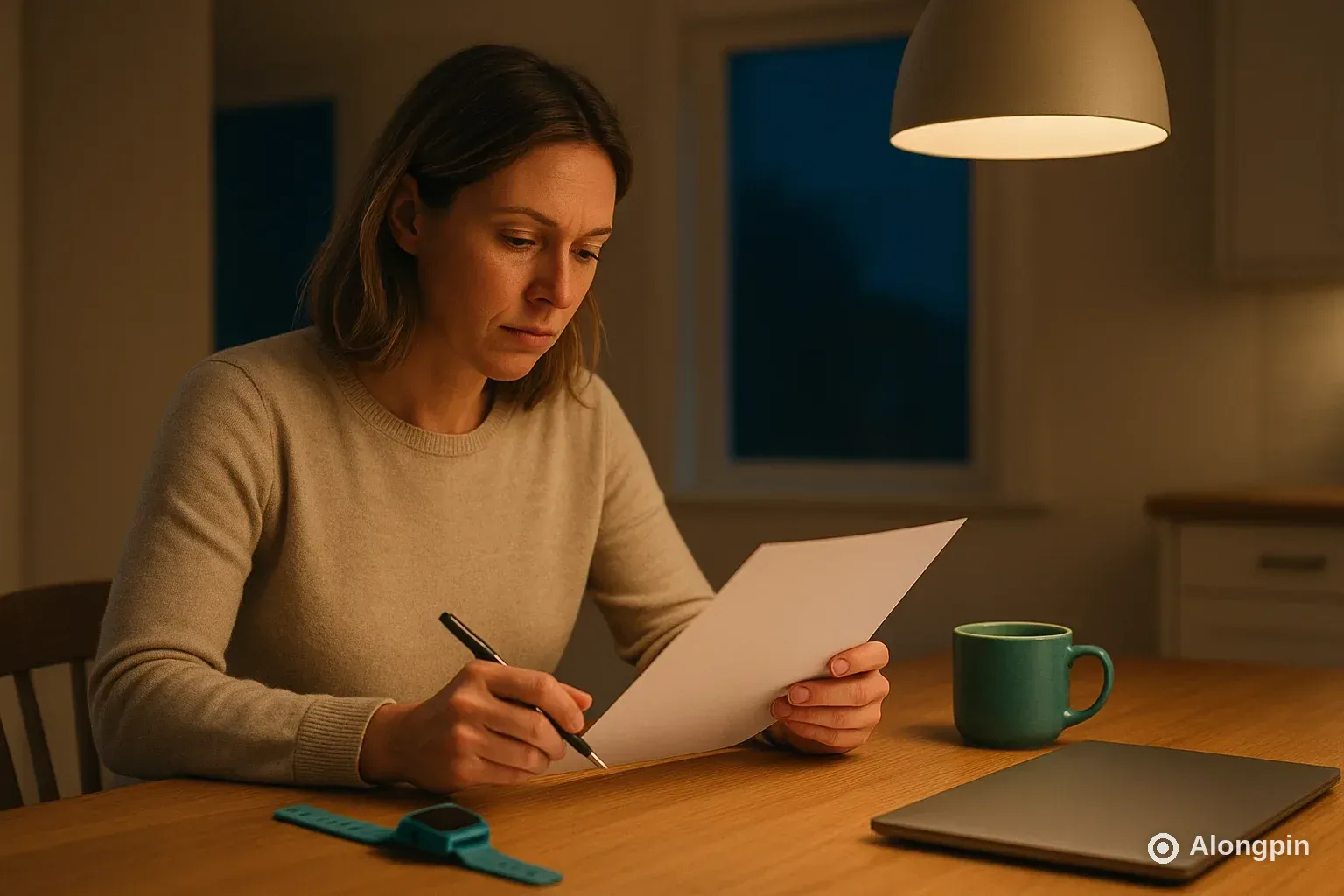
Tracking that started with a purpose often continues without one. The walk to school is long since routine, but the map is still opened at 08:20 every morning, and then at lunch, and then "just to see" in the evening. Nothing has gone wrong; the checking has simply become part of the day.
Signs it has become a habit rather than a help
Be honest with yourself about these:
- You look without a reason. Not because a message was missing or something changed, but because you can.
- You feel uneasy when you cannot look. A phone left at home or a watch out of battery makes you anxious, although nothing has happened.
- You read routes in secret. You look at where your child went and do not tell them you looked.
- You ask questions that reveal what you saw. And your child starts to give shorter answers.
- The reason has passed. The new route is familiar, the tuition timetable is routine, the grandparent no longer does the pick-up, but nothing about the tracking has changed.
None of these makes you a bad parent. They are signs that it is time to step back.
Older children and the right to be asked
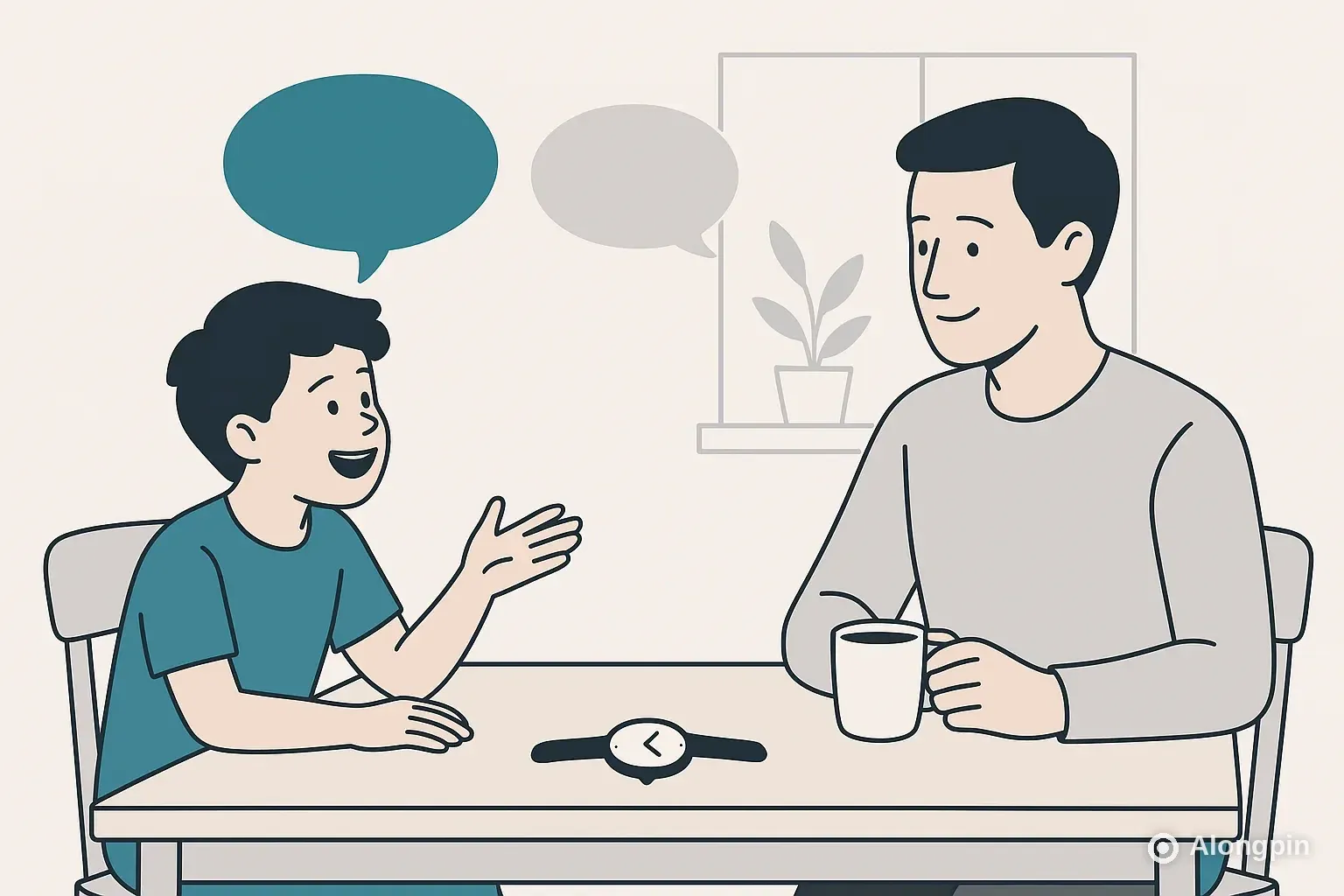
A seven-year-old can be told that the watch helps you know they got to school. A twelve-year-old should be asked. A fifteen-year-old's answer should change what you do.
As children grow, their sense of privacy grows with them, and so does their capacity to make their own decisions. Being tracked without being asked tells them that their judgement does not count. Being asked, and seeing their answer respected, tells them the opposite. Practical questions to ask together:
- What should the watch share, and with whom?
- Which messages do I get, and which do I not need?
- When do we stop, or step down?
If your child says no to something, take it seriously. You may still decide that some tracking is needed, for a reason you explain. But a decision made with them lasts longer than one made about them. How to talk to your child about a GPS watch has words that help, and at what age does a child need a GPS watch looks at the question from the other side.
Alternatives: check-in agreements and shared journeys
For many situations, something simpler than tracking works as well or better:
- Check-in agreements. "Text me when you get to Rahul's, and when you leave." The child decides when to tell you, which builds the habit of keeping you informed.
- Shared journeys. Walk part of the way together, or arrange for them to walk with a friend or an older sibling.
- A known plan for surprises. What to do if the bus does not come, if a friend's parent cannot drive them home, if they feel unsafe. A child with a plan needs a map less.
- Regular, low-pressure conversation. A child who talks to you about their day gives you more than any route.
These are not instead of safety. They are safety, of a kind a watch cannot give.
If you do track: openly, with limits and an end
When tracking is the right answer, a few rules keep it a help:
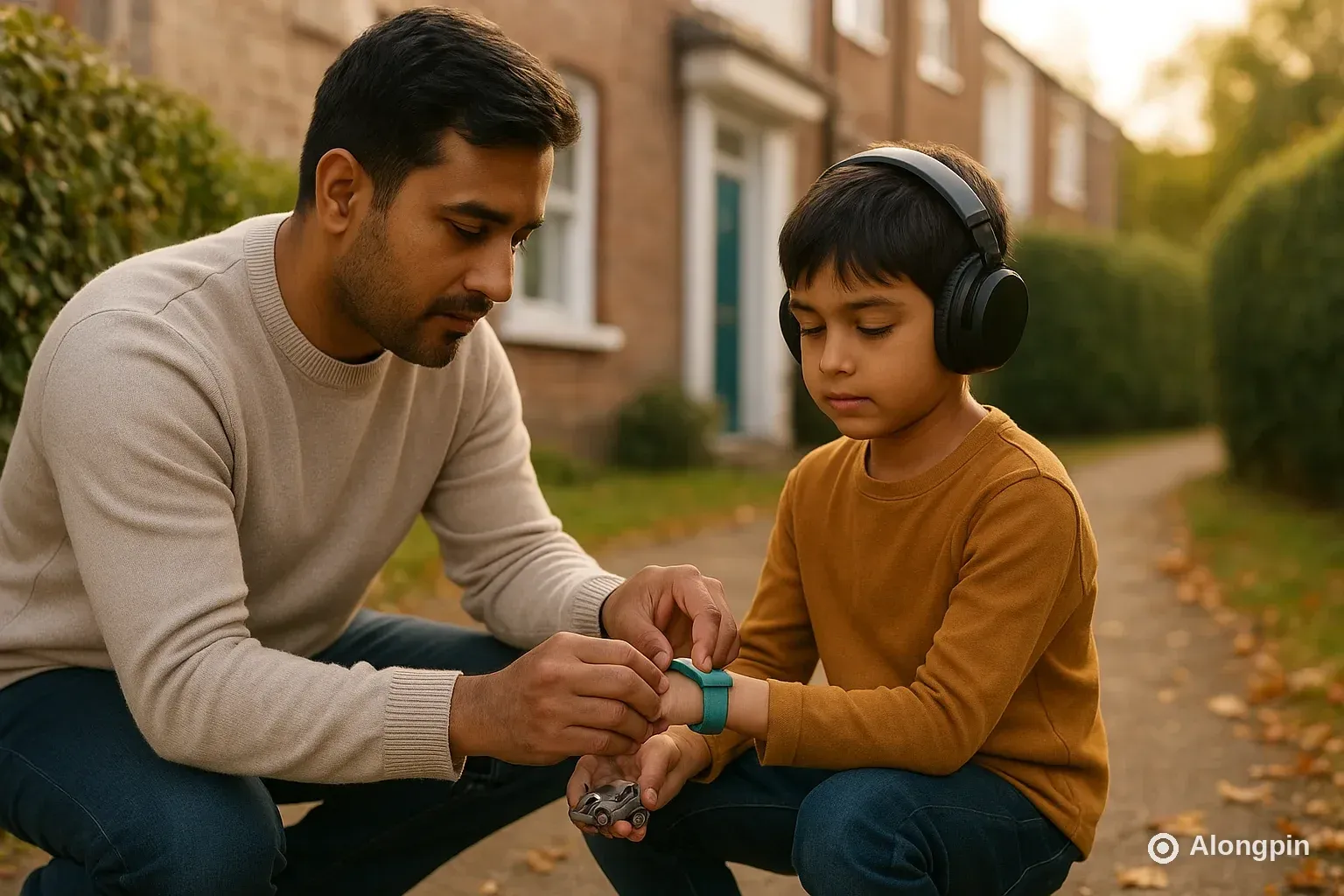
- Say why, and say it to your child. "So I know you got to school on your first weeks walking alone."
- Track what you said, nothing more. An arrival message rather than the whole day's route. Alerts on school days rather than at weekends.
- Tell them who can see it. You, the other parent, the grandparent who does Thursdays.
- Agree an end. "Until half-term, and then we talk again." Put it in the calendar.
- Keep the end. Step down to fewer alerts, then to none. When the watch is no longer needed, stop using it, and delete the device with its history rather than leaving it in your account.
A watch also has a place that is not about monitoring: the SOS button. Many families keep that long after everything else has gone, because it is the child who decides when to use it.
Your child's data
Location history is personal data about a child. Ask any service you use where it is stored, who can see it, how long it is kept and how to delete it. Alongpin's privacy page explains how this platform keeps, shows and deletes location data, and your child's location data: questions to ask any tracking service gives a checklist for comparing others.
Conclusion
Tracking a child is neither good nor bad in itself. It helps when it supports a step towards independence, and it harms when it replaces trust with surveillance. The best measure of whether it is working is simple: is your child getting more freedom because of it, or less? The personal safety page describes how the watch's features can be used sparingly, with the child's knowledge.
How Alongpin helps
Alongpin (alongpin.com) is a GPS tracking platform you open in a browser or on your phone. A child's GPS watch or a teenager's phone shows on your family's map, geofences around home and school tell you about arrivals, and the SOS button reaches the people you choose. See how it works for family safety, check a watch in the device check, and read how Alongpin treats privacy.