Pets
Fireworks nights: preparing for a frightened pet
Diwali, New Year and bonfire nights are when many pets run. Keep them in, then check the GPS collar is charged and reporting, the home zone alert is on and the right people get it, and know what to do with the last position and a share link if your pet bolts.
Ashish Srivastava6 min read
To keep pets safe during fireworks, keep them indoors with doors and windows shut from before dark, give them a quiet den, and walk dogs early, on the lead. Diwali, New Year's Eve, Guy Fawkes Night and local festivals are the nights when many frightened dogs and cats bolt through an open door or over a fence. If your pet wears a GPS collar, add three checks to that usual advice: charge the collar and make sure it is reporting, check that the home zone and its alert are on, and check who will be told if your pet runs. If it does run, the collar's last position and a share link for the people helping you search shorten the night considerably.
Key takeaways
- Prevention first: indoors, curtains closed, a den, a walk before dusk, the lead on.
- Charge the collar during the day and check on the map that it reports.
- Check the home zone, Left home and the channels, and who receives the alert.
- If your pet bolts: open the alert, go to the last position, and send helpers a share link.
- The next morning, walk the garden boundary for the gap a panicking animal found.
1. Keep pets indoors, with the doors closed
This is the step that matters most, and it does not involve a tracker.
- Bring cats in before dusk and keep the cat flap locked for the night.
- Walk dogs earlier, in daylight, on the lead, even dogs with a perfect recall. A bang at the wrong moment overrides any training.
- Close windows and curtains, and put on the radio or television to soften the noise.
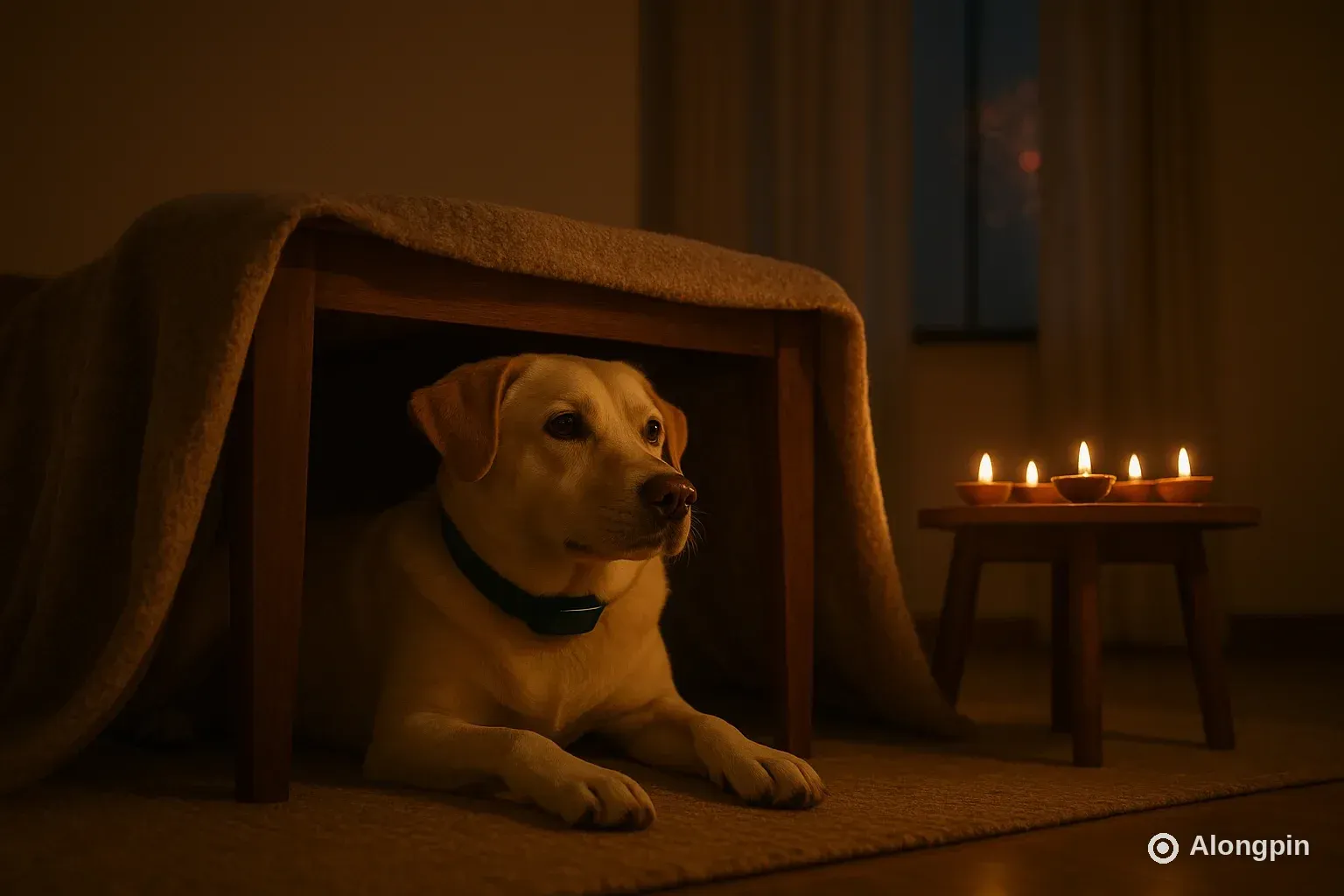
- Give them a den: a crate with a blanket over it, a space under a bed, a quiet room away from the street side. Let them hide; do not drag them out.
- Watch the front door. Visitors, children going out to watch and deliveries are when pets slip out. Close inner doors so there are two doors between your pet and the street.
If your pet is very frightened of fireworks, talk to your vet well before the festival; there is help for noise fear, and it works best when started early.
2. Charge the collar and check that it reports
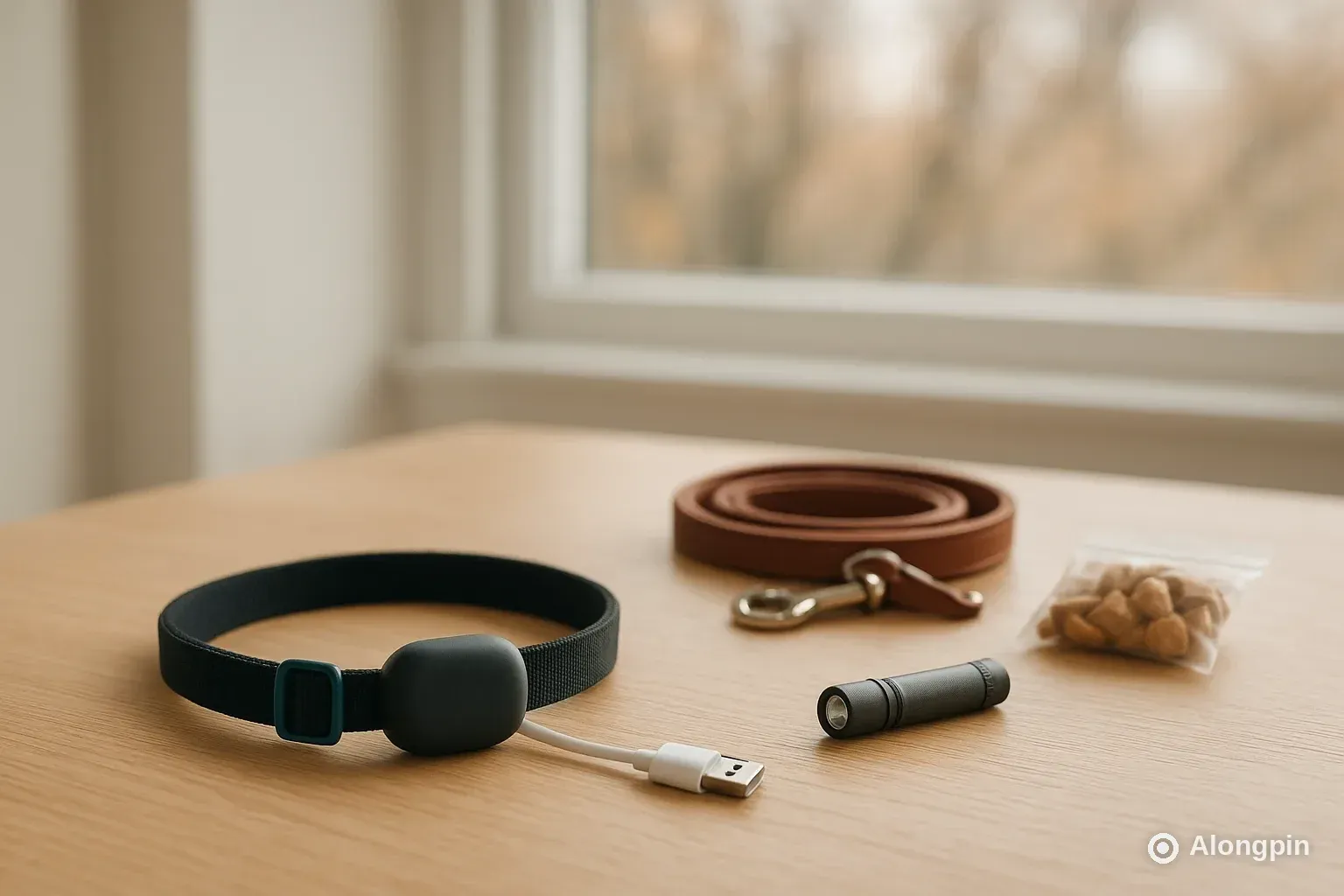
A collar with a flat battery cannot tell you anything. On the day:
- Charge the collar fully in the afternoon and put it back on before dark. Fireworks often go on until late, and some start days before the festival.
- Check it on the map. Open the live map and look at the collar: its battery, and when it last reported. A collar that reported a few minutes ago is working.
- Check the fit. A frightened dog pulls backwards out of a loose collar. You should fit two fingers under it, not more.
- Keep the ID tag on. Whoever finds your pet at midnight will call the number on the tag.
3. Check the home zone and who is alerted
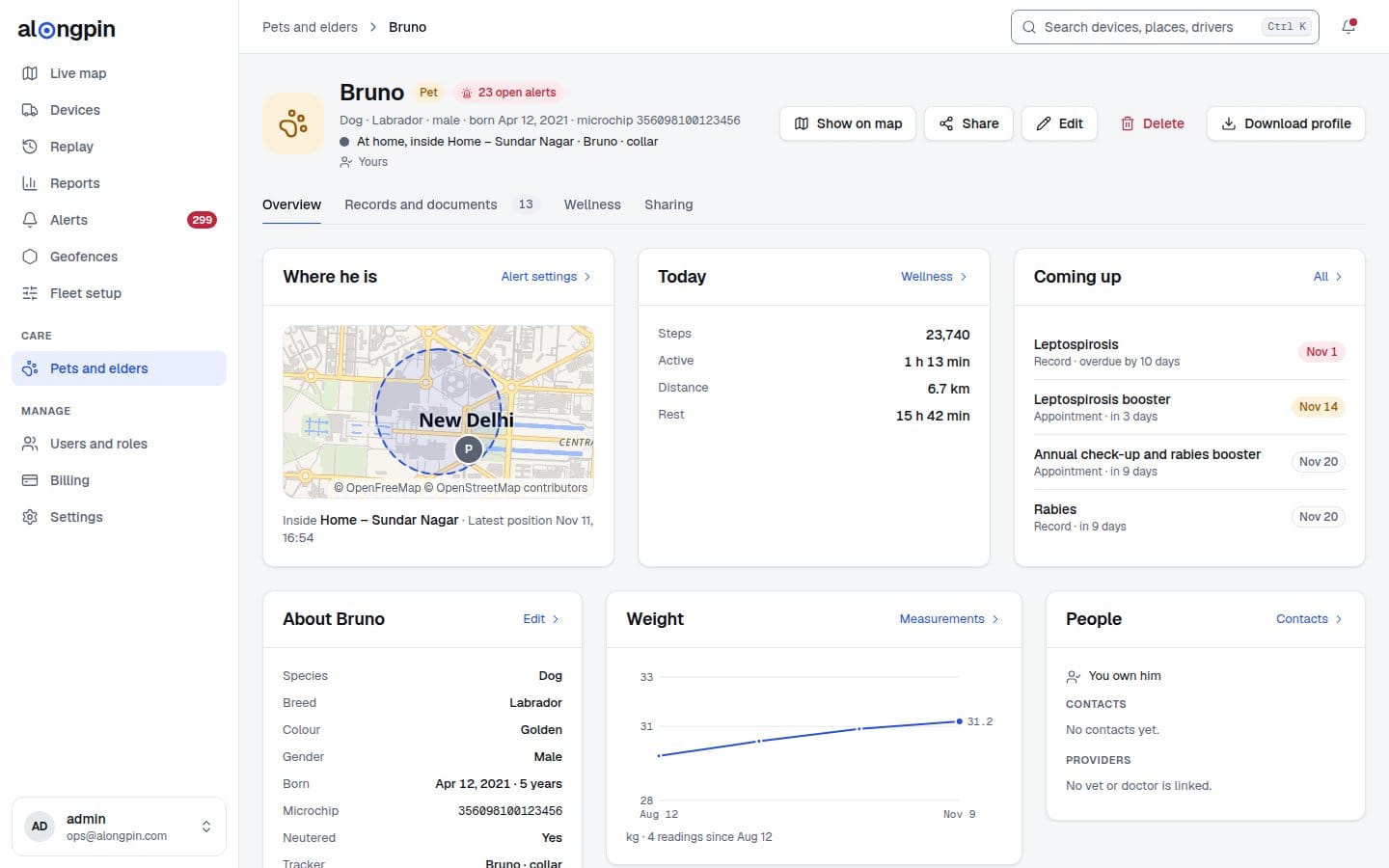
Open your pet's profile under Pets and elders and look at three things:
- Home: the profile should show a home zone. If it does not, draw one under Geofences and choose it as Home geofence under Tracker and home. Saving links it to the collar. The geofences page explains how to draw it.
- Left home: switched on in the alert settings, with at least one channel ticked. Without a channel, alerts are kept in the portal but nobody is told. If you rely on text messages, tick email as well, in case your server sends no SMS.
- Who gets told: the people the profile is shared with, and contacts with Receives alerts ticked. Is the person who will be home tonight among them? If you are going out, share the profile with them for Location only, or add them as a contact.
A home zone for your dog walks through the whole setup, including how large to make the zone.
4. Keep the collar's battery in mind during the night
If you are out yourself and the pet is home alone or with a sitter, switch on Low battery in the same alert settings. It warns you when the collar reports a low battery, if your collar reports that alarm. How long a GPS pet collar battery lasts explains what drains it.
5. If your pet bolts: the last position
A frightened animal runs fast and far, and often hides once it stops. The collar helps you go to the right place.
- Open the alert. It shows where the collar was when it crossed the edge of the home zone. Show on map opens the collar's latest position.
- Look at the time of the last report, not only the dot. Watch two or three updates to see which way your pet is going, and whether it has stopped.
- Go to where the collar is. Take a torch, a lead, treats and your phone.
- Do not chase. A panicked dog runs from a running person. Crouch, speak quietly, let it come to you. A cat will usually be hiding close to its last position: under cars, in hedges, in sheds.
- If the position stops updating, the collar may have come off, lost coverage or run out of battery. Start from the last position and search outwards.
What to do when your dog is lost has the full first-hour checklist.
6. Send helpers a share link
When family, neighbours or friends help you search, a share link lets each of them see the collar's position on a map on their own phone, without an account.
- Open Devices and the collar, then its Settings.
- Under Share links, choose New link, write who it is for under Label, who it is for, and set Works until to the next morning.
- Copy the link and send it to the people searching.
Everyone then heads for the same, current position instead of the place someone saw the dog half an hour ago. The link ends by itself at the time you set, or you can end it earlier from the same place.
7. The day after: check the garden boundary
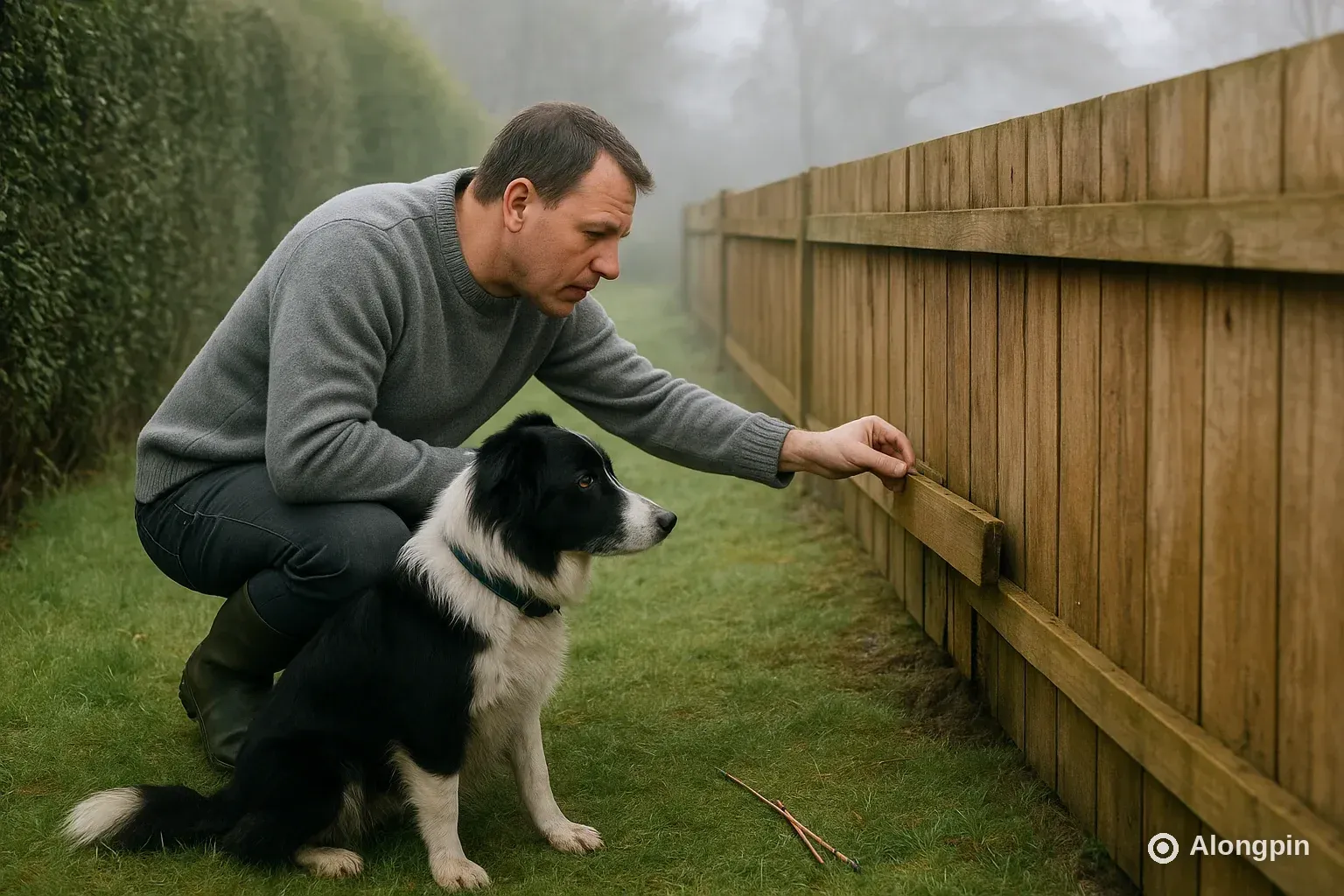
Animals that panic find gaps that never mattered before: a loose fence board, a space under the gate, a hedge thin at the bottom, a shed roof next to the wall.
- Walk the boundary in daylight and fix what you find before the next night of fireworks, which may be soon.
- Look at the replay if your pet did get out. Replay shows the route the collar reported; the first position outside the garden often points to the exact gap.
- Check the collar. Clean it, charge it, and check the clasp after a night of pulling.
A note on what a tracker cannot do
A collar tells you where your pet is. It does not calm a frightened animal, keep a door closed or stop a dog going through a fence. The alert comes with the first position from outside the home zone, so it takes as long as the collar's reporting interval, and it needs mobile coverage. Prevention indoors is still the main protection; the tracker is for the night it fails. The pets solution and the pet collars page show what the collar and the platform do together.
How Alongpin helps
Alongpin (alongpin.com) is a GPS tracking platform you open in a browser or on your phone. A GPS collar becomes your pet's profile: its position on the live map, a home zone that tells you when it leaves, its walks in trip history, and vaccinations and vet visits with reminders. See how it works for pets, the pet collars it works with, and check yours in the device check.
Frequently asked questions
Should my dog wear the GPS collar indoors on fireworks night?
Yes, on nights like this. Many escapes start indoors, through a door opened for a guest.
My cat hates its collar. Is it worth it for one night?
If your cat is used to the collar, keep it on. If not, fireworks night is the wrong time to start; keep the cat in a closed room instead.
Can a neighbour without an account get the alert?
Yes: add them as a contact on the profile and tick Receives alerts. They get a short email or text message saying there is a new alert, and know to call you.